By Diego Chía · 15 years of refrigeration experience
Cold storage is one of the first things a health inspector checks. Keeping coolers and freezers at safe temperatures protects your customers, your inventory and your reputation.
Know your target temperatures
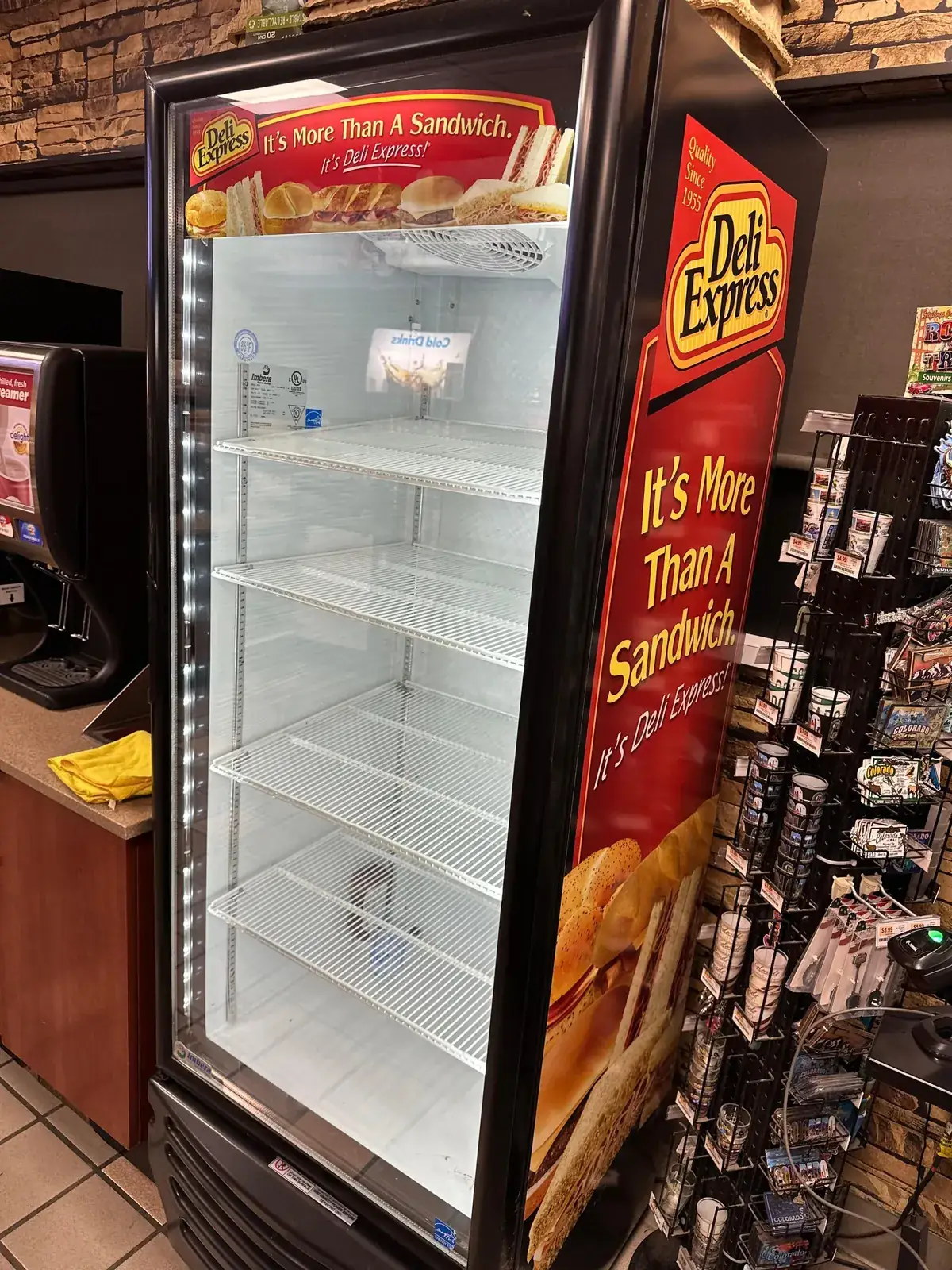
Under the FDA Food Code, cold-held foods that need temperature control should be kept at 41°F or below. Freezers should keep food solidly frozen. Check with your local health department for the exact rules that apply to your business.
Keep accurate temperature logs
- Check every cooler and freezer at the same times each day
- Use a calibrated thermometer, not just the unit's display
- Write down the time, the temperature and who checked it
- Note any problem and what was done about it
Spot problems early
A cooler that slowly creeps from 36°F to 40°F over a few weeks is telling you something. Dirty coils, worn gaskets and failing fans often show up in your logs before a breakdown.
Organize for airflow
Don't block evaporator fans, leave space between shelves and walls, and avoid overloading the box. Cold air has to circulate to keep everything at the right temperature.
Get repairs before the inspection
If a unit is running warm, don't wait. Friantartic Refrigeration repairs walk-in coolers, freezers and commercial refrigerators across the Denver metro area. Call (720) 987-1017.
Commercial Refrigeration Repair
Fast on-site repair for walk-ins, freezers and commercial refrigerators so your kitchen never stops.
Learn more